
The (UN) Forgotten Culture
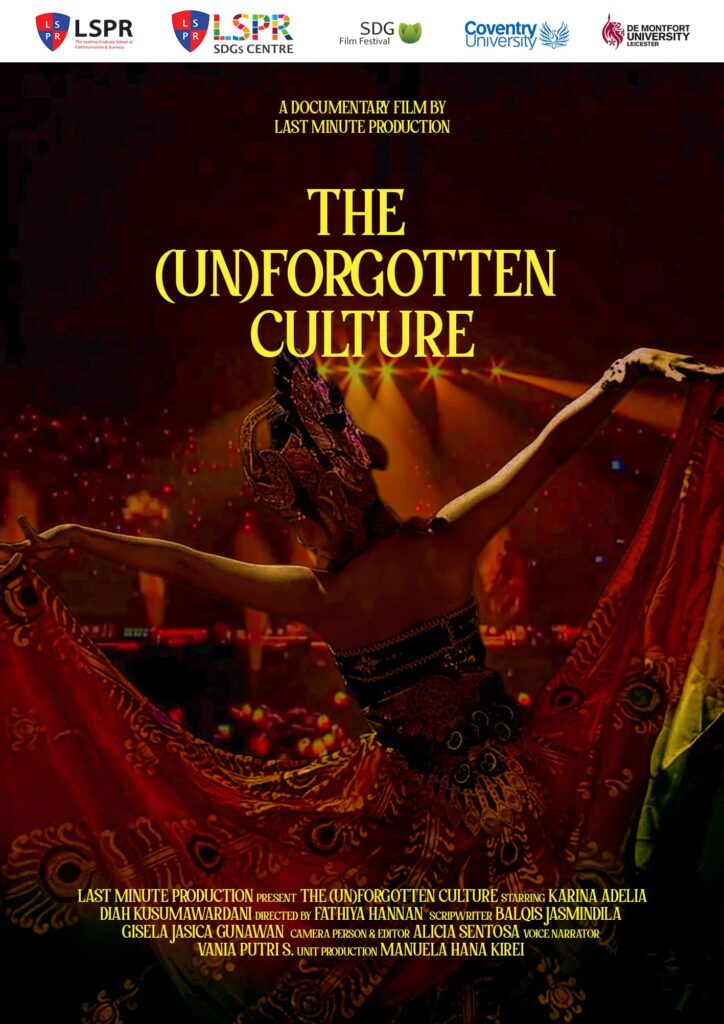
https://www.youtube.com/watch?v=FiC1EPUIvPE THE LAST BATH Craving Pathway To Recover Coin Of Tears Cultural Erosion
The Struggle On The Sea
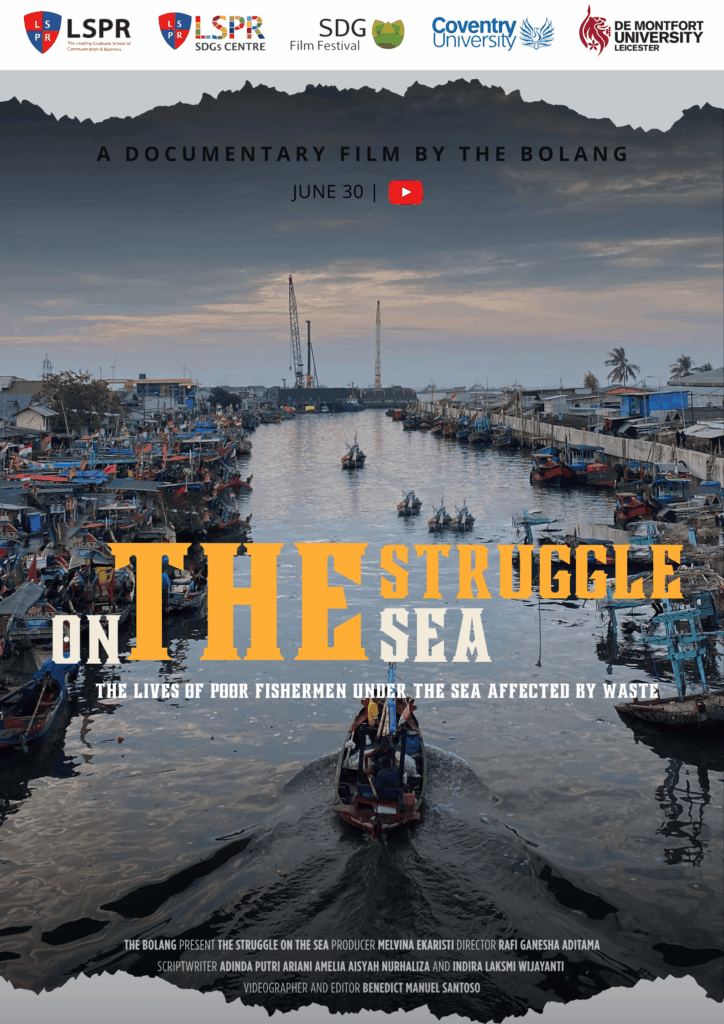
https://www.youtube.com/watch?v=Bmf8QMZcNxk THE LAST BATH Craving Pathway To Recover Coin Of Tears Cultural Erosion
The Price Of Smile
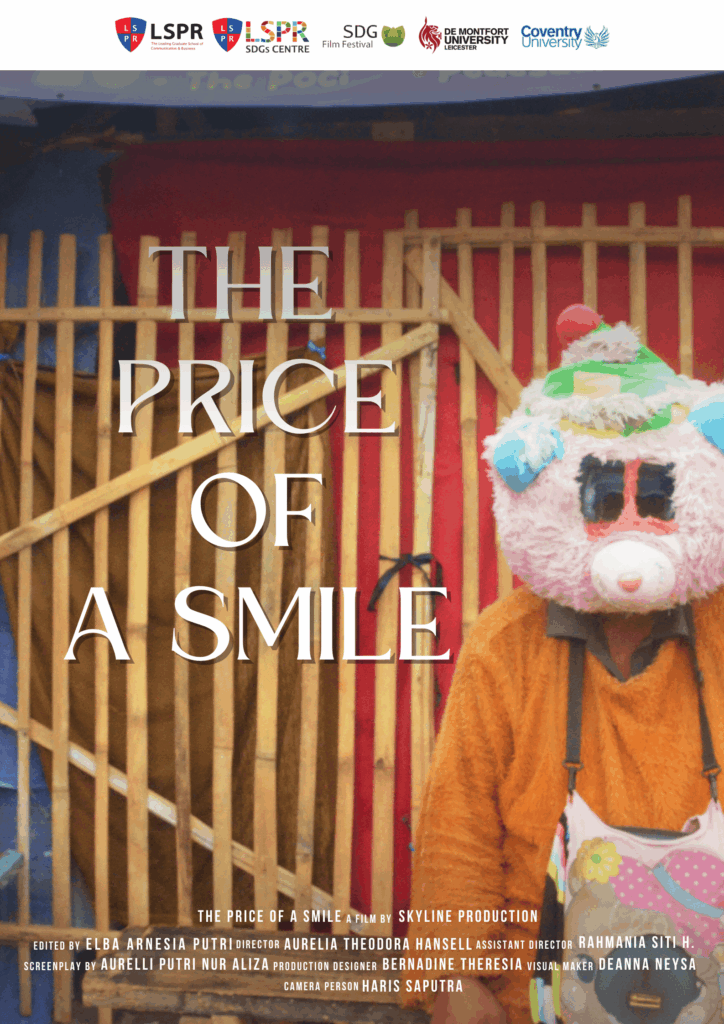
https://www.youtube.com/watch?v=SC1AoV6cM8g THE LAST BATH Craving Pathway To Recover Coin Of Tears Cultural Erosion
Cemar
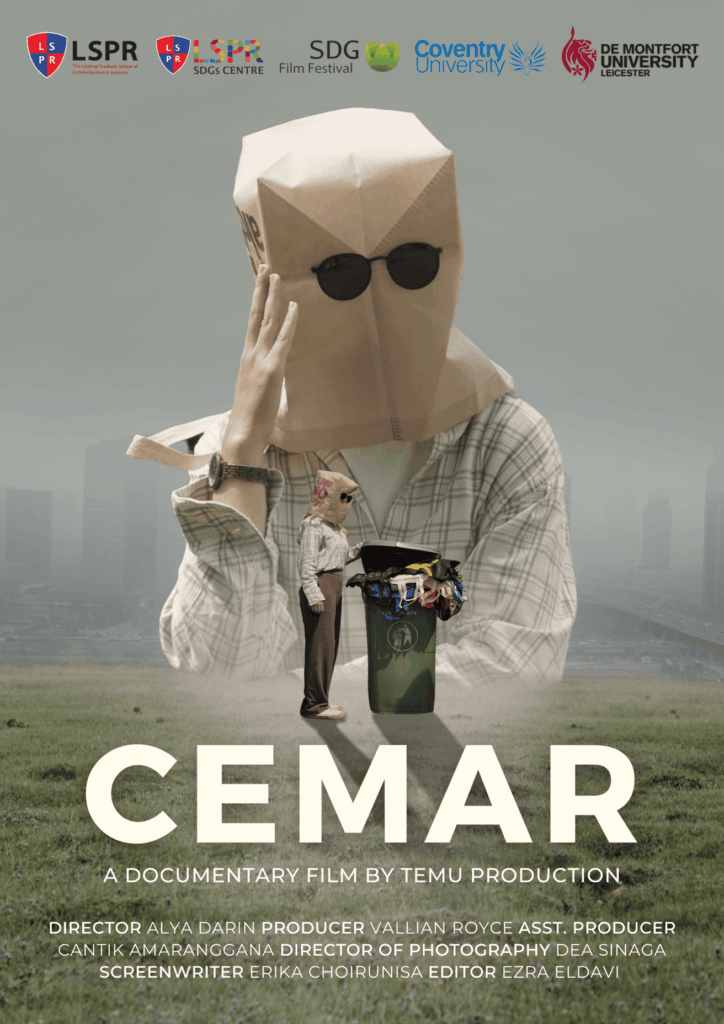
https://www.youtube.com/watch?v=_xKIeCbEKqA THE LAST BATH Craving Pathway To Recover Coin Of Tears Cultural Erosion
Jakarta In Resonance
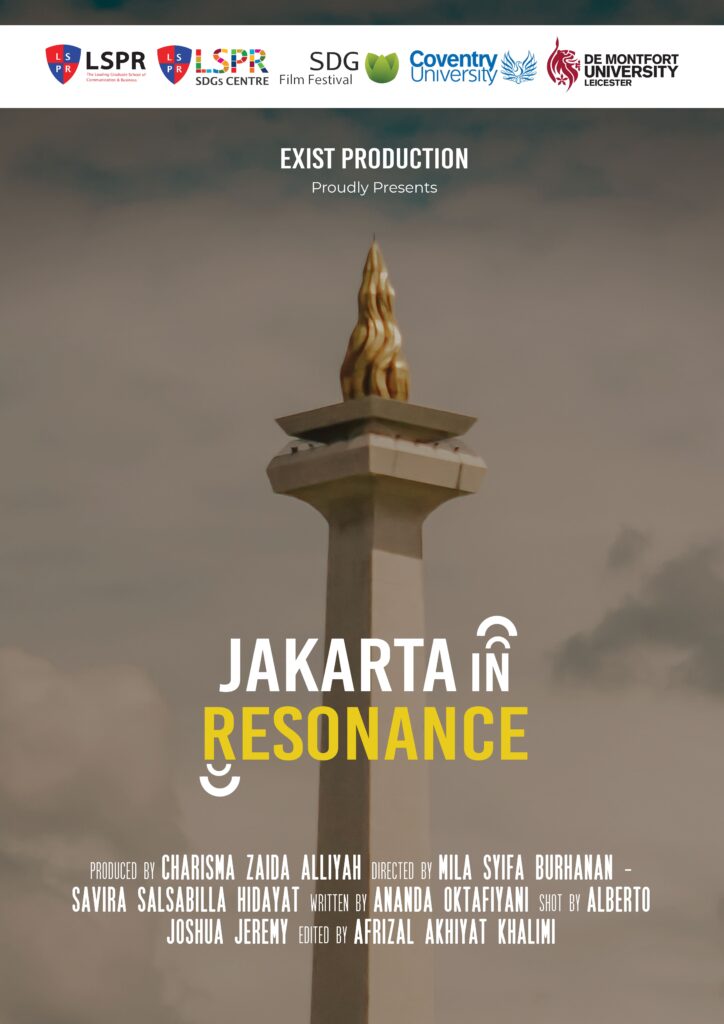
https://www.youtube.com/watch?v=5iTnYHCyuWE THE LAST BATH Craving Pathway To Recover Coin Of Tears Cultural Erosion
Amerta Every Step for knowledge
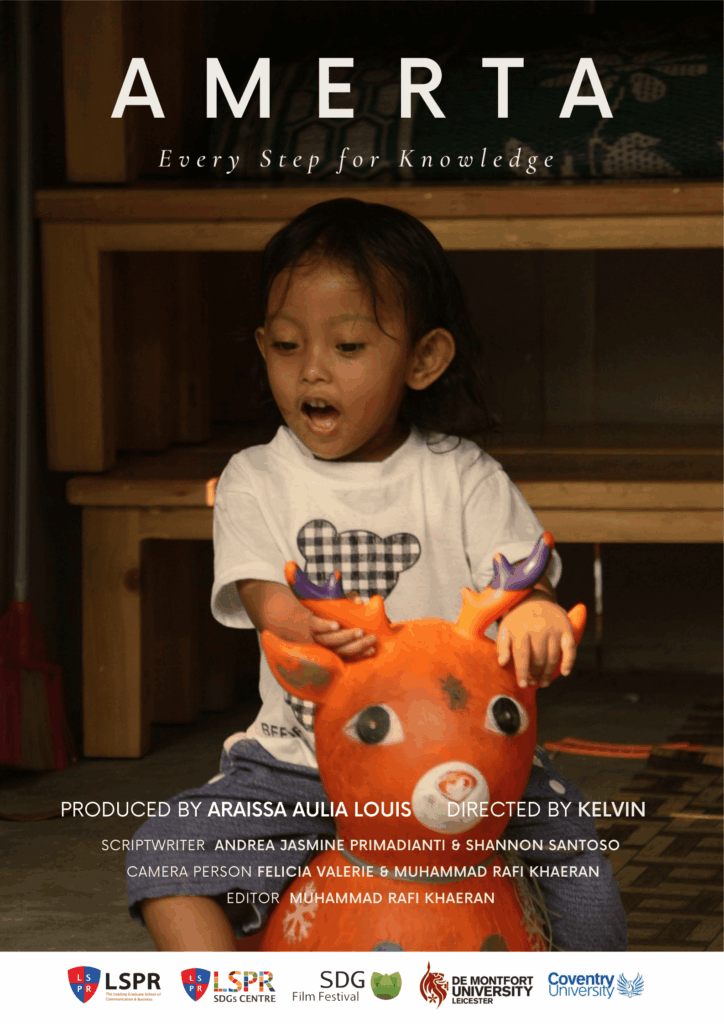
https://www.youtube.com/watch?v=oAIye9jdeRI&list=PLvT70FLCFRF2gU8I_0pJ3gRwtLwIIQln0&index=6 THE LAST BATH Craving Pathway To Recover Coin Of Tears Cultural Erosion
A taste of East Nusa Tenggara
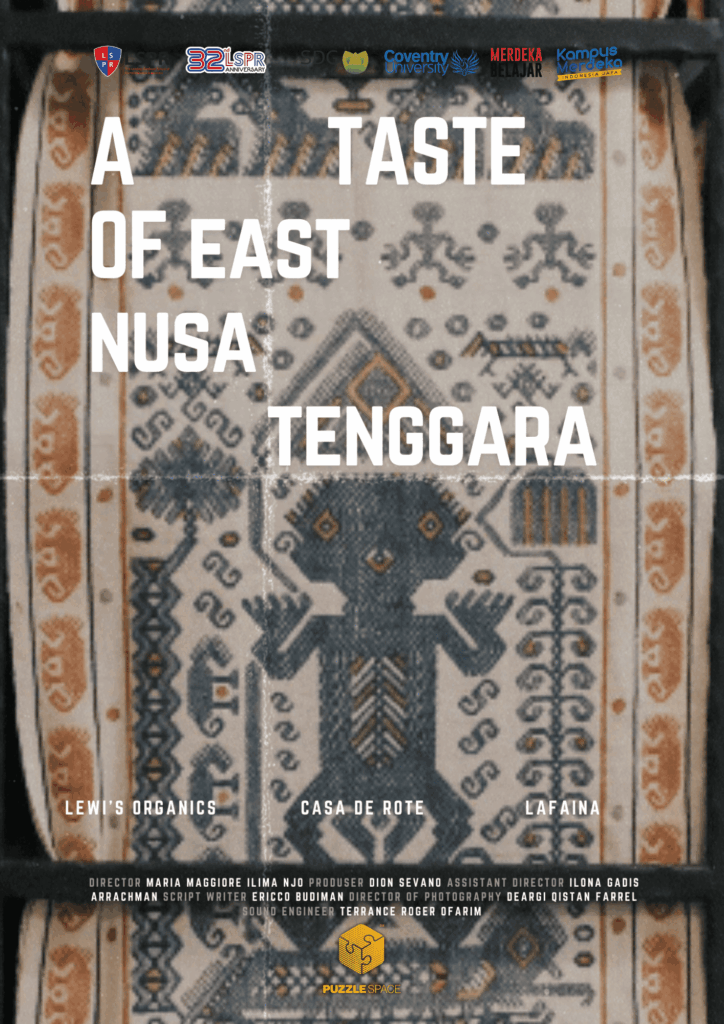
https://www.youtube.com/watch?v=sB9NGIuY4fo&pp=ygUdYSB0YXN0ZSBvZiBlYXN0IG51c2EgdGVuZ2dhcmE%3D This documentary will take viewers into the world of East Nusa Tenggara culture through Lewis Organics, a cafe in South Tangerang infused with NTT’s culture. Amid the abundance of cafes with modern designs, Lewis Organics stands out with architecture, menus, and decorations deeply rooted in NTT, especially Flores culture. More than just a cafe, Lewis Organics serves as a cultural hub that brings Flores culture to life in the bustling city of Tangerang. The film will feature in-depth interviews with the owners of Lewis Organics to explore their efforts in introducing Flores culture, especially to younger generations, considering it is still relatively unfamiliar and underrepresented in media. Through visuals of architecture, menus, and unique decorations at Lewis Organics, the documentary allows viewers to witness how every element of Lewis Organics tells a story deeply rooted in Flores culture. THE LAST BATH Craving Pathway To Recover Coin Of Tears Cultural Erosion
Suara Hujan
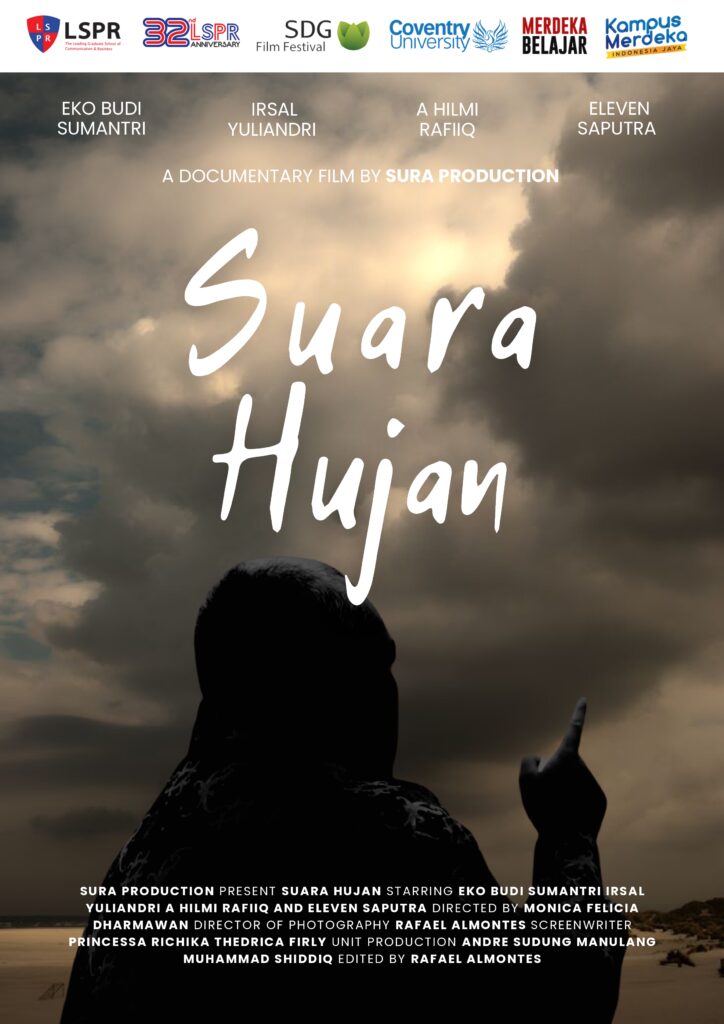
https://www.youtube.com/watch?v=unlU6bwyhRI&pp=ygUUc3VhcmEgaHVqYW4gc2RnIGZpbG0%3D Do people still believe in the existence of rain shamans? This documentary introduces Eko Budi Sumantri, a local rain shaman who has dedicated his life to understanding and mastering weather phenomena in connection with tradition and modern science. Based in East Jakarta, Eko shares his extraordinary life stories and experiences. However, the documentary does not stop at Eko’s expertise in predicting rain. As technology and science evolve, it also highlights BMKG’s role in understanding and accurately predicting weather using modern tools and scientific data. Does a connection exist between traditional beliefs and modern scientific understanding? THE LAST BATH Craving Pathway To Recover Coin Of Tears Cultural Erosion
Shellfish Waste Management
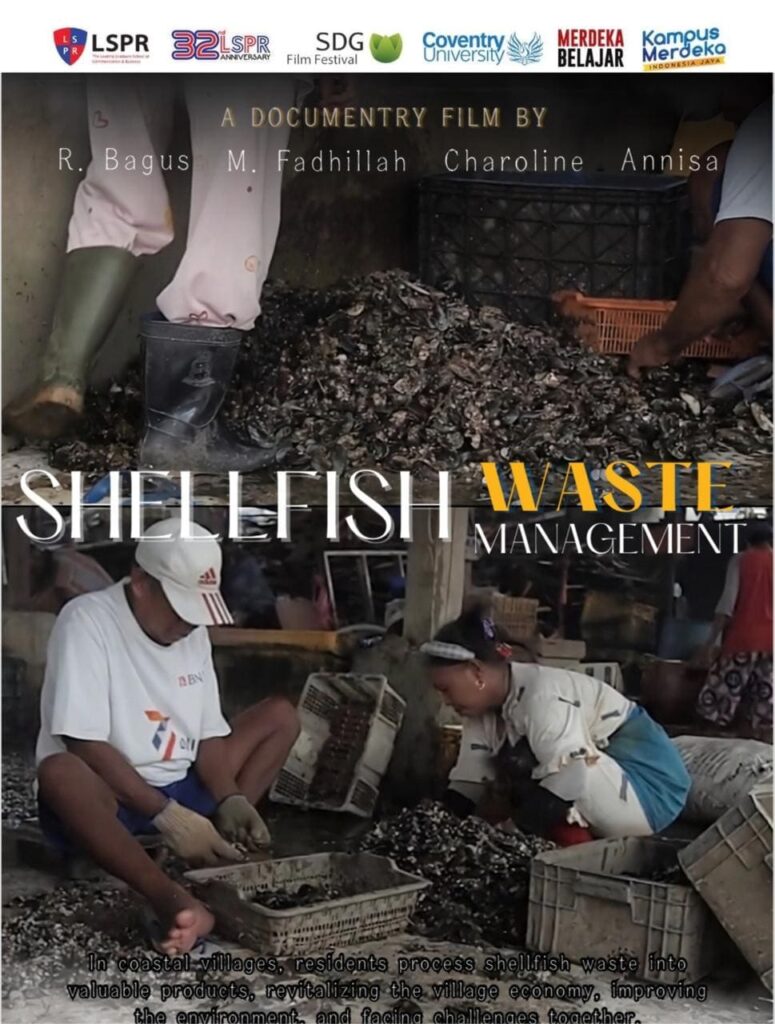
https://www.youtube.com/watch?v=b-1nTibFY70&pp=ygUjU2hlbGxmaXNoIFdhc3RlIE1hbmFnZW1lbnQgc2RnIGZpbG0%3D This documentary focuses on seashell waste management in Tanjung Priok, showcasing the innovative efforts and community participation in addressing the critical issue of seashell waste. The film explores the challenges and solutions to maintaining a clean and sustainable coastal environment. Indonesia, as the world’s largest archipelago with over 17,508 islands, faces severe marine pollution caused by various waste sources such as industrial waste, household waste, and seashell waste. Among these, seashell waste stands out as a byproduct often deemed useless. However, seashell waste can be repurposed into craft materials like wall decorations and interior designs. It has also been utilized in innovative ways such as livestock feed, liquid fertilizer, and as a substitute material for paving blocks and bricks. Despite these uses, seashell waste is often avoided due to its perception as dirty and useless. However, processing seashell waste, whether through chemical or mechanical methods, offers opportunities for innovation and environmental sustainability. Without proper management, seashell waste could disrupt the ecological balance. With effective management by craftsmen, seashell waste has the potential to become a valuable source of income. Studies indicate that seashells predominantly consist of calcium carbonate (CaCO3), up to 96–98%. When heated to 700°C, they transform into calcium oxide (CaO), which can serve as a heterogeneous catalyst. The potential applications of seashell waste remain underexplored, despite its abundance along the eastern coast of Sumatra, from Aceh to Medan. THE LAST BATH Craving Pathway To Recover Coin Of Tears Cultural Erosion
Rwa Bhineda
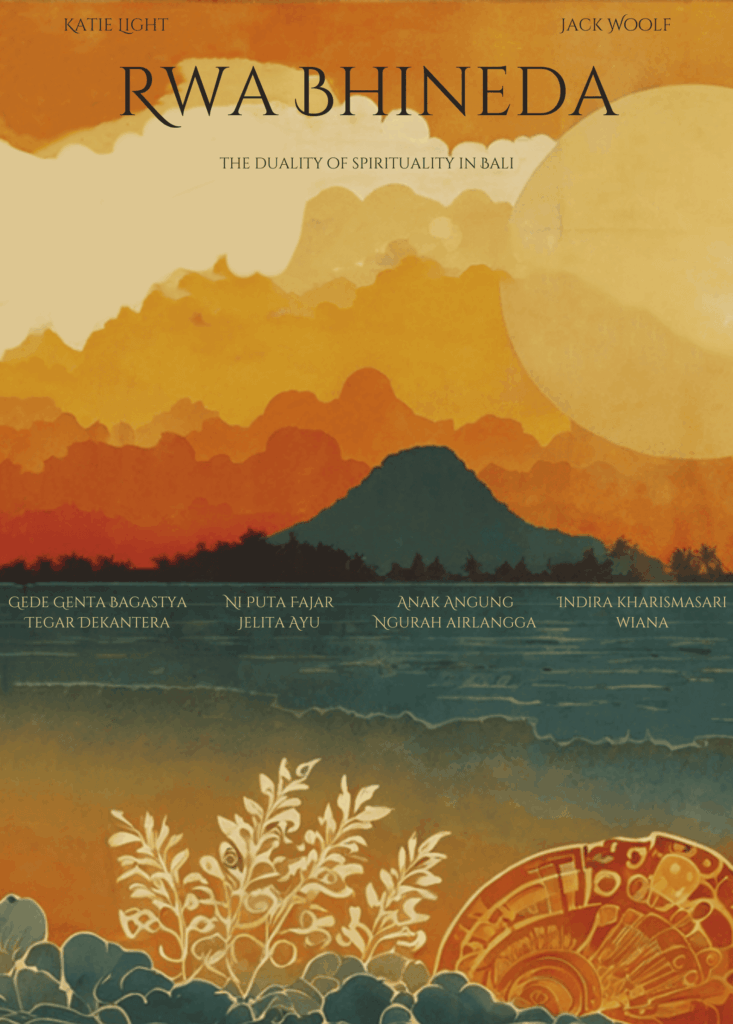
https://www.youtube.com/watch?v=1Qa4ycxpao0 THE LAST BATH Craving Pathway To Recover Coin Of Tears Cultural Erosion