
ONE WORLD, TWO REALITIES
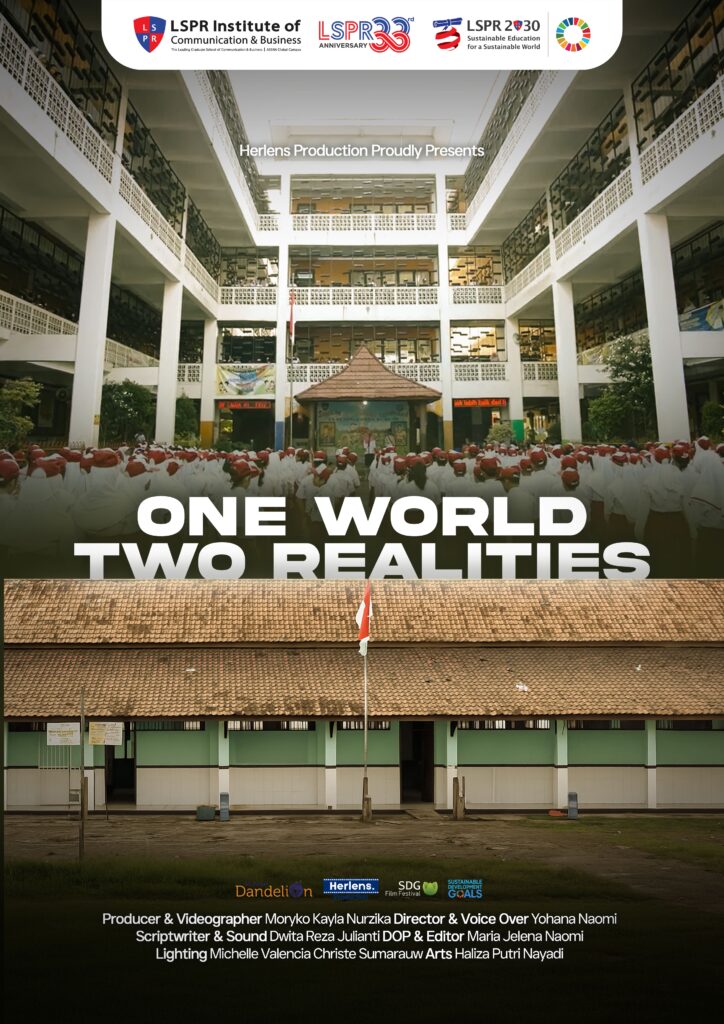
Synopsis One world, two realities. Why does progress only favor certain regions? In the city, school buildings stand majestically, equipped with advanced technology and wide access to learning materials. On the other hand, many students are stuck with old books and limited facilities. In one place, horizons continue to expand, paving the way to a bright future. In another, the dreams of the nation’s children are eroded by leaky roofs and cracked blackboards. Through true stories of students and teachers, this documentary explores how two public schools with the same status live in two different dimensions. In a school that is rich in facilities, students can develop their talents and are taught to think critically with adequate facilities and infrastructure. Meanwhile, in a deprived school, the spirit of learning is still burning even though books have to be passed down for years. Does education only favor those who are born in the right place? “One world, two realities” is not just a portrait of inequality, but also a mirror that shows theface of our education today. Will we allow this gap to widen, or will we stand together to ensure that every child – regardless of where they stand – has the same right to dream and achieve a future? THE LAST BATH Craving Pathway To Recover Coin Of Tears Cultural Erosion
THE ART OF WASTE
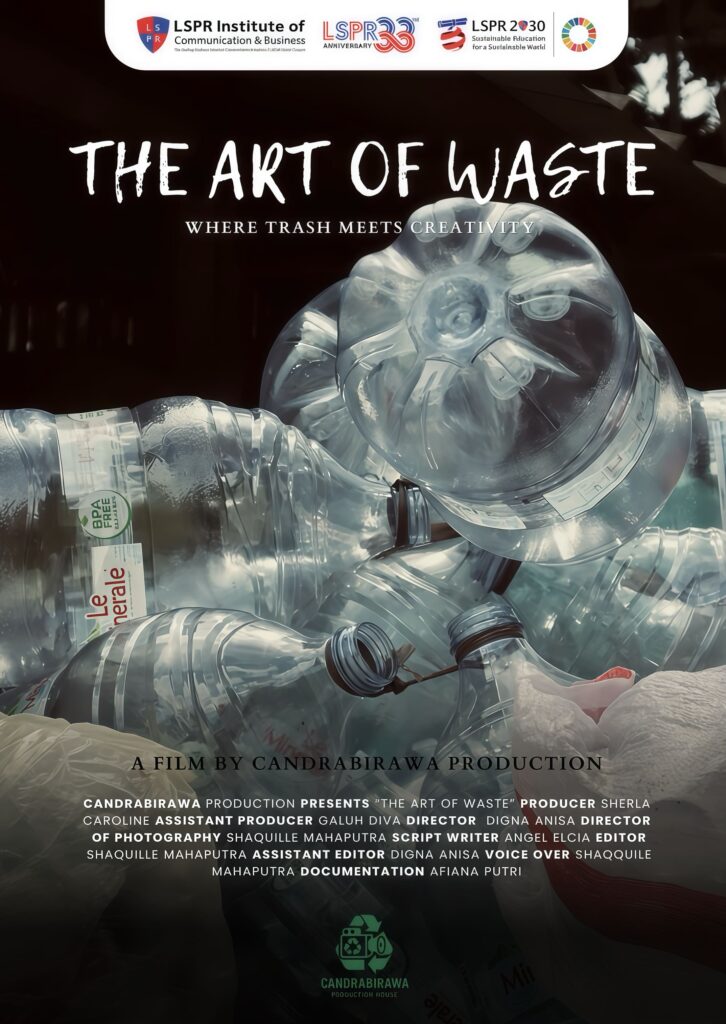
[hfe_template id=’1308′] In a small town that is becoming congested and overcrowded with waste, a simple housewife feels a deep sense of unrest every time she sees piles of plastic bottles littering the streets, rivers and yards. It wasn’t just about cleanliness, but about the future of her children who were threatened by environmental degradation. She’s not an activist or a scientist, just an ordinary mom who cares deeply. Armed with determination and a sense of responsibility, he began collecting plastic bottles from around his house and neighborhood. Initially ridiculed and considered strange, he continued to walk alone until finally he joined the AKABIS (AKADEMI BIJAK Sampah) program from Waste4Change and then joined the waste community in his neighborhood. From there, he turned the waste into useful items: flower pots, handicrafts, and even alternative building materials. Slowly, his movement attracted the attention of residents and began to create collective awareness. This film captures the inspiring journey of a mother who dares to dream in the midst of limitations, transforming waste into hope. Through an intimate and emotional lens, this documentary invites viewers to see that big changes can start from small steps and a mother’s love for the earth that will be passed on to the next generation. THE LAST BATH Craving Pathway To Recover Coin Of Tears Cultural Erosion
CULTURAL ABUSE ONDEL ONDEL
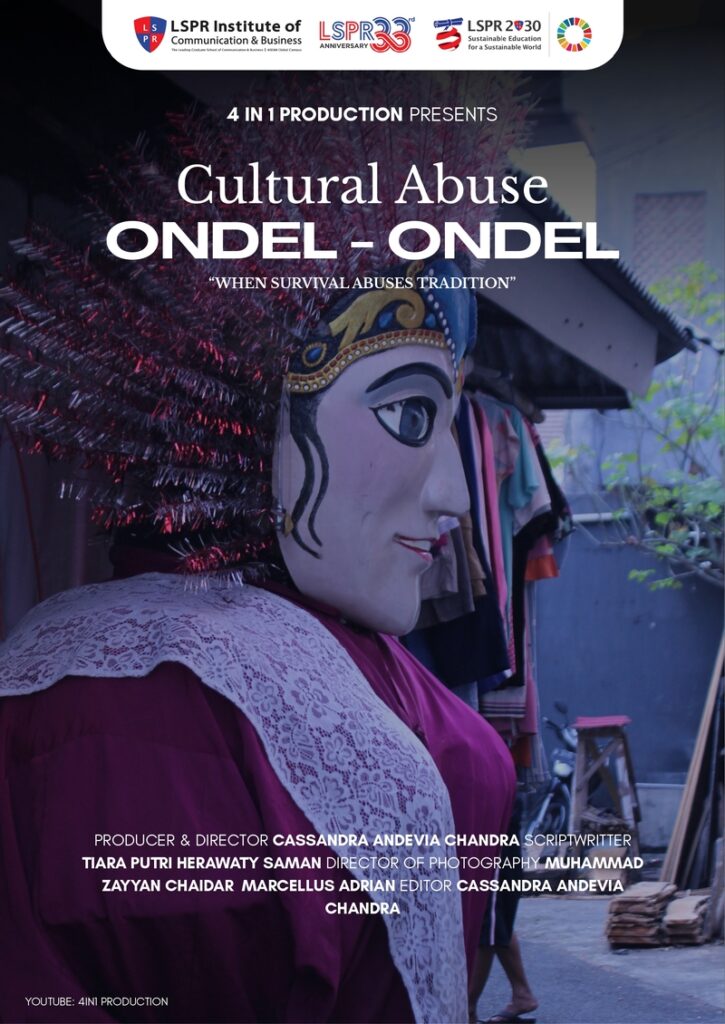
https://www.youtube.com/watch?v=fx7mjZd-xW0 Synopsis If you ask people what is the iconic symbol of Betawi culture, most will probably sayondel-ondel. But if you ask them what they think about ondel-ondel, chances are they willsay beggar. This misuse has changed the way people perceive Betawi culture, especially ondel-ondel.What drives people to use a cultural icon as a means of earning a living through begging? Is it purely out of economic desperation? How do the ondel-ondel artists truly feel? What is the reality behind those giant puppets wandering the streets? With this story, we want to show society just how ironic this reality is. a culture that should be preserved is instead seen as a nuisance. Can society rediscover the true meaning of ondel-ondel as a heritage worth preserving? THE LAST BATH Craving Pathway To Recover Coin Of Tears Cultural Erosion
THE LAST OF DISPOSAL
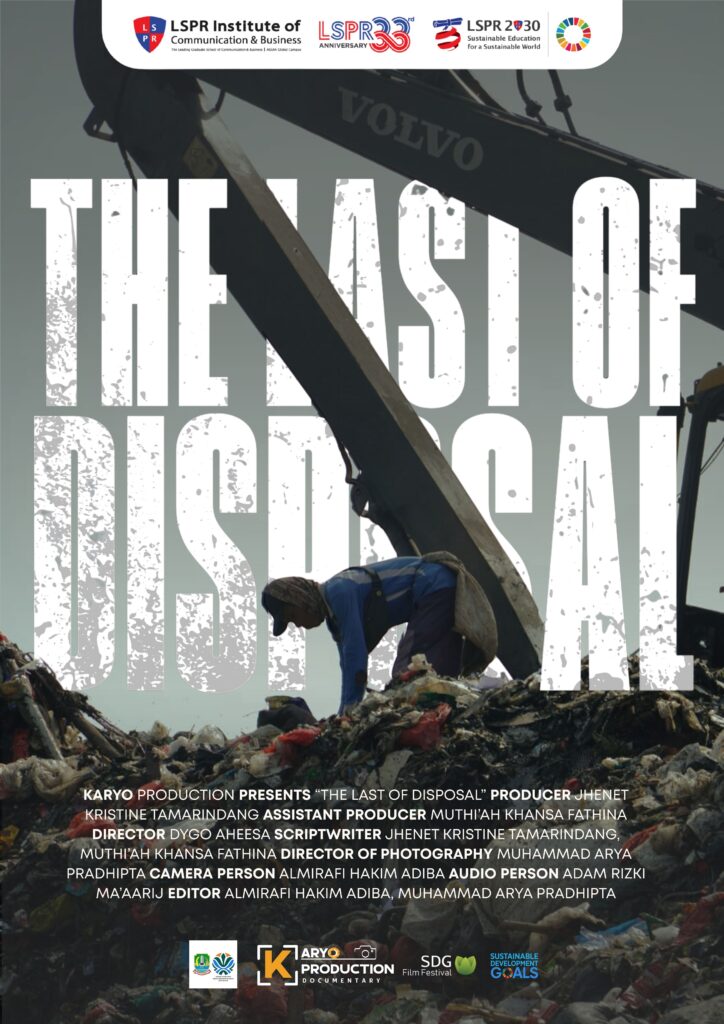
https://www.youtube.com/watch?v=RjBtUofQAKY THE LAST BATH Craving Pathway To Recover Coin Of Tears Cultural Erosion
DROPS OF HOPE
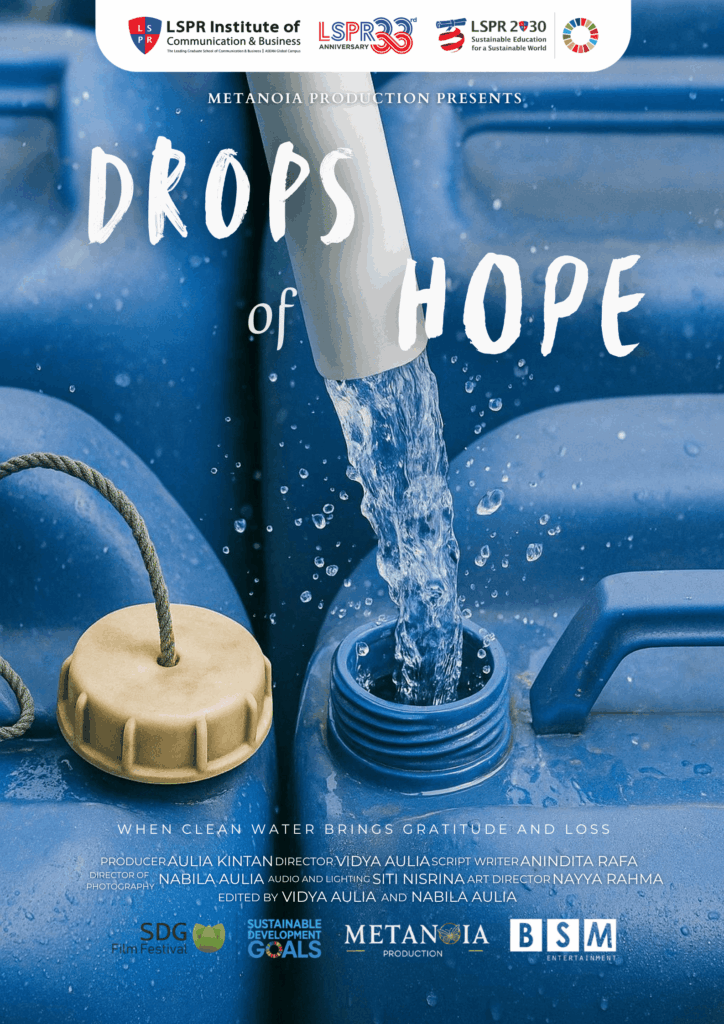
https://www.youtube.com/watch?v=bTNjXiLZDgk THE LAST BATH Craving Pathway To Recover Coin Of Tears Cultural Erosion
BOUND BY THE SEA
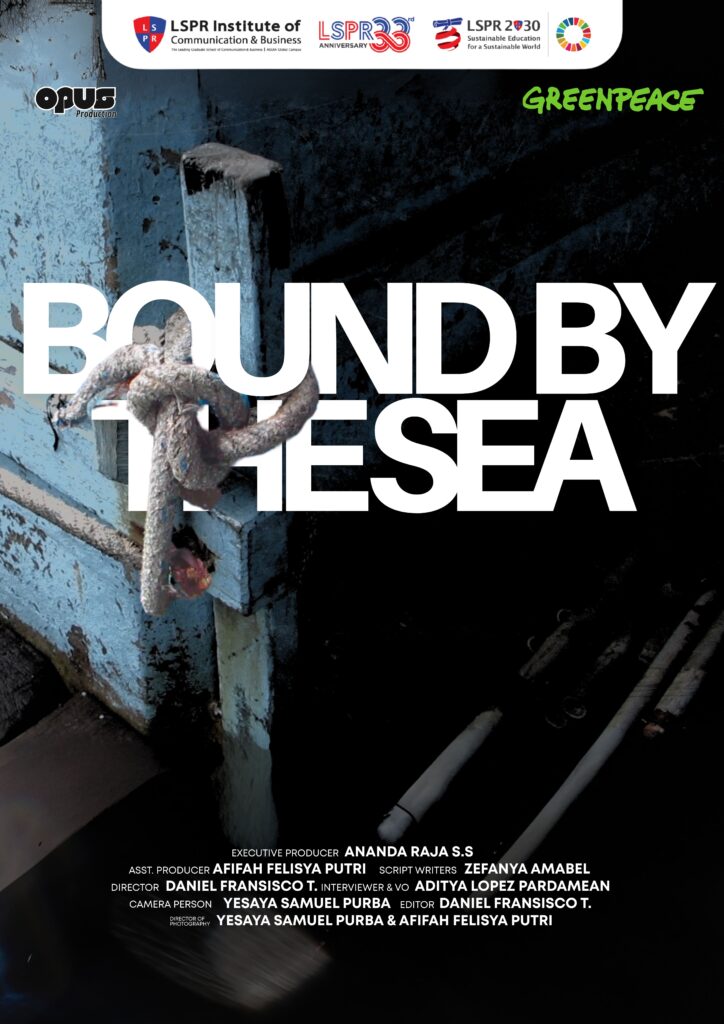
https://www.youtube.com/watch?v=zSzHNEZ8BGk THE LAST BATH Craving Pathway To Recover Coin Of Tears Cultural Erosion
DREAMS AMONG THE STREETS
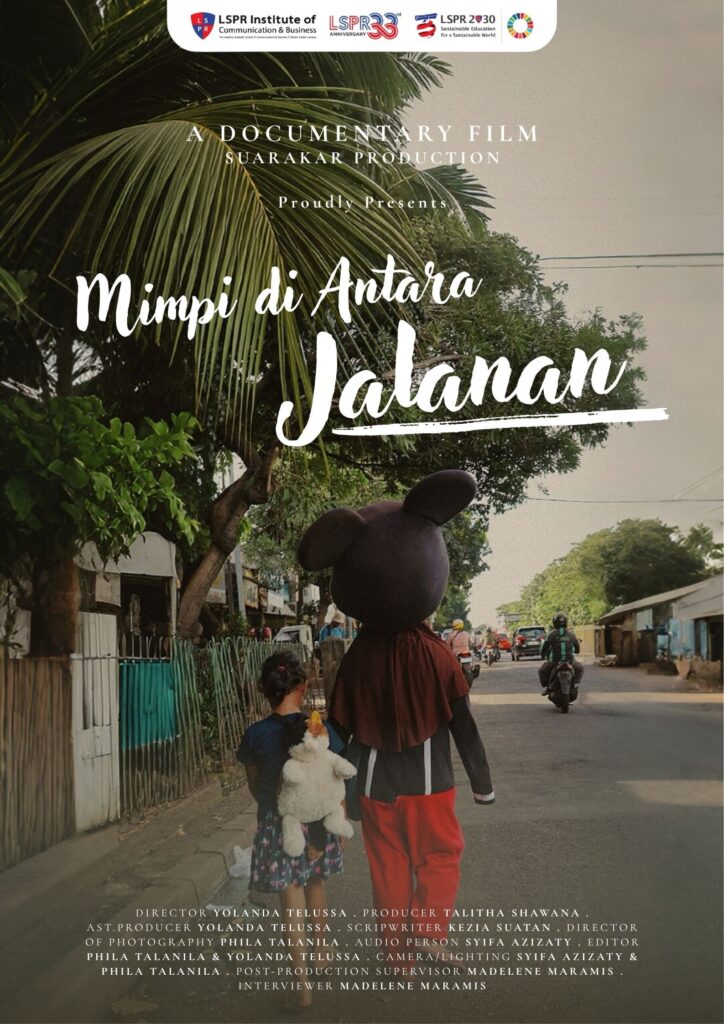
https://www.youtube.com/watch?v=voiVs0dKzkQ THE LAST BATH Craving Pathway To Recover Coin Of Tears Cultural Erosion
Na Marroha Unseen Hopes
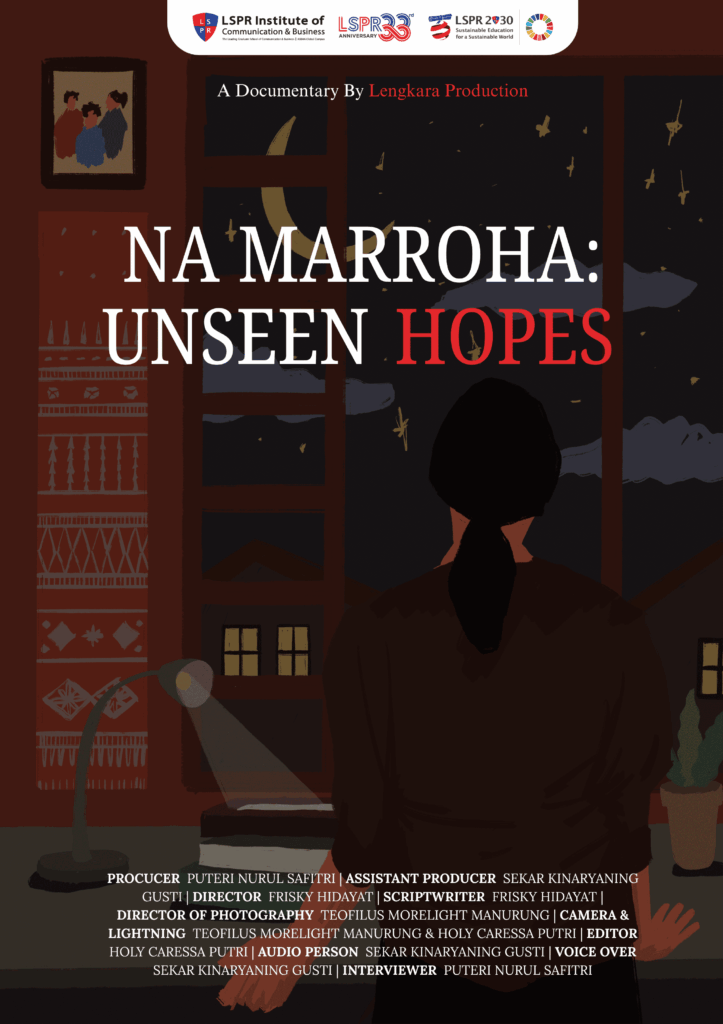
https://www.youtube.com/watch?v=qGPeuR9UYKc THE LAST BATH Craving Pathway To Recover Coin Of Tears Cultural Erosion
VICARA CONNECTING THE UNLOOKED

https://www.youtube.com/watch?v=2Hwgh_Qdy34 THE LAST BATH Craving Pathway To Recover Coin Of Tears Cultural Erosion
LEFTOVERS
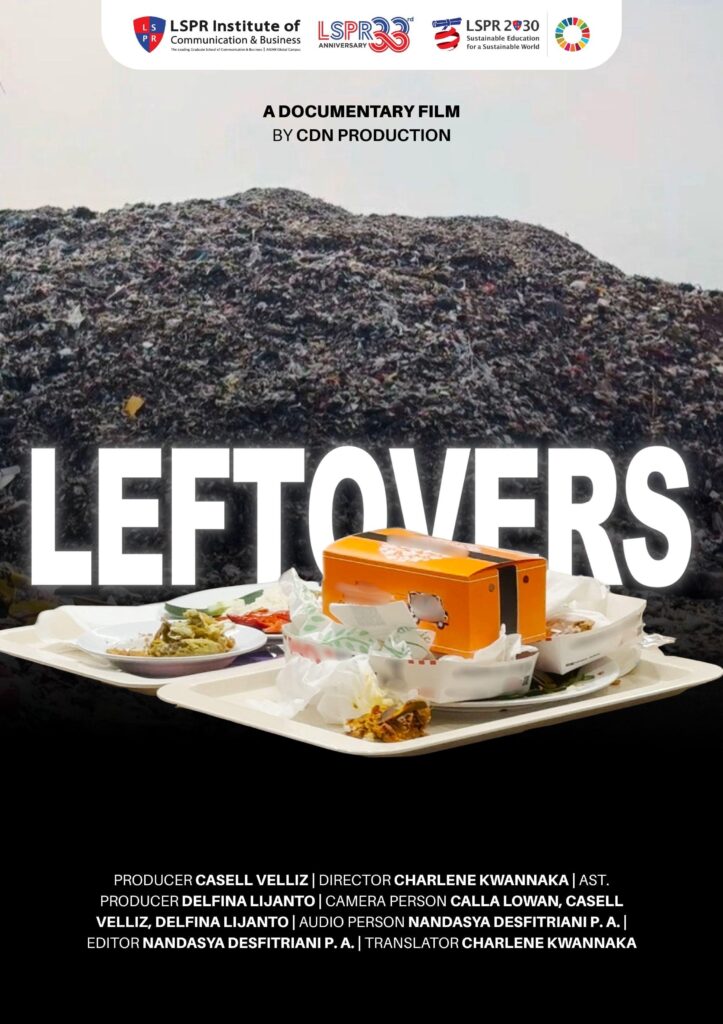
https://www.youtube.com/watch?v=3WXvzQubj6k THE LAST BATH Craving Pathway To Recover Coin Of Tears Cultural Erosion